Behind the Brave Face: Understanding Masking in Children
The Pressure to Perform
We’ve all been there. We walk into a social gathering, or even work feeling exhausted or overwhelmed, but the moment someone asks, "How are you?" we put on a smile and say, "I’m fine!"
In the clinical world, we call this masking. It’s the act of suppressing our true feelings or natural responses to fit in, stay safe, or meet the expectations of those around us.
While adults do this occasionally, many children (especially those who are neurodivergent or highly sensitive) spend their entire day behind a mask. They are working overtime to meet the requirements of school, social circles, and extracurriculars, sometimes at a cost to their emotional well-being.
The "Model" Student Who Collapses at Home
As a teacher for 20 years and a school counsellor, I often see what is called the "After-School Restraint Collapse."
A child may appear to be doing great all day. They are quiet, they achieve, and they follow every rule, but the moment they step through the front door at home, they melt down. Why? Because they have been masking all day. They have been holding it together, trying to be the "version" of themselves the world expects. Home is the only place where they finally feel safe enough to take the mask off.
Why Do Kids Mask?
Masking isn't a choice a child makes to be deceptive. It is a survival strategy. They might mask to:
Avoid criticism: If they’ve been told they are "too loud" or "too much," they may quiet their personality to avoid negative feedback.
Fit in socially: Especially for kids with ADHD or Autism, masking helps them mimic social cues to avoid feeling different.
Meet achievement standards: As I mentioned in my recent Thursday Thought on Instagram, when we focus too heavily on what a child achieves rather than who they are, they learn that their value lies in their performance.
Creating a Space for the Whole Self
The antidote to masking isn't "fixing" the child; it’s changing the environment. It’s about providing a space where the person is prioritized and accepted exactly as they are.
In my private practice, I am intentional about this. Whether a child is in the play area or a parent is sitting in the quiet of the adult space, the invitation is always the same: You are enough, exactly as you are.
When we tell a child that we accept their "whole self," we give them the greatest gift possible: the permission to stop performing and start healing.
Reflecting at Home
This week, I invite you to notice the moments where your child might be "performing" vs. "being."
What happens if we stop asking about the grades or the goals for a moment?
What happens if we simply sit with them in the "messy" parts of their day?
If you feel your child is struggling to take off the mask, know that you don't have to navigate that journey alone.
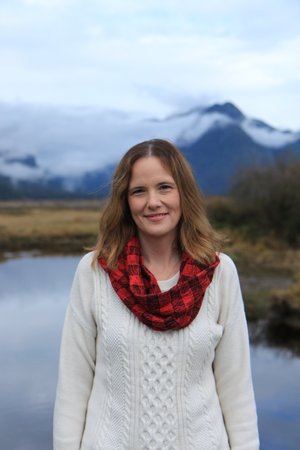
Jolene Carlsen is a Registered Clinical Counsellor (RCC) providing individual child-centered play therapy, youth counselling, and parent support in Port Coquitlam, BC. Book a free 20- minute consultation to see if we are a good fit.